Compare construction before price
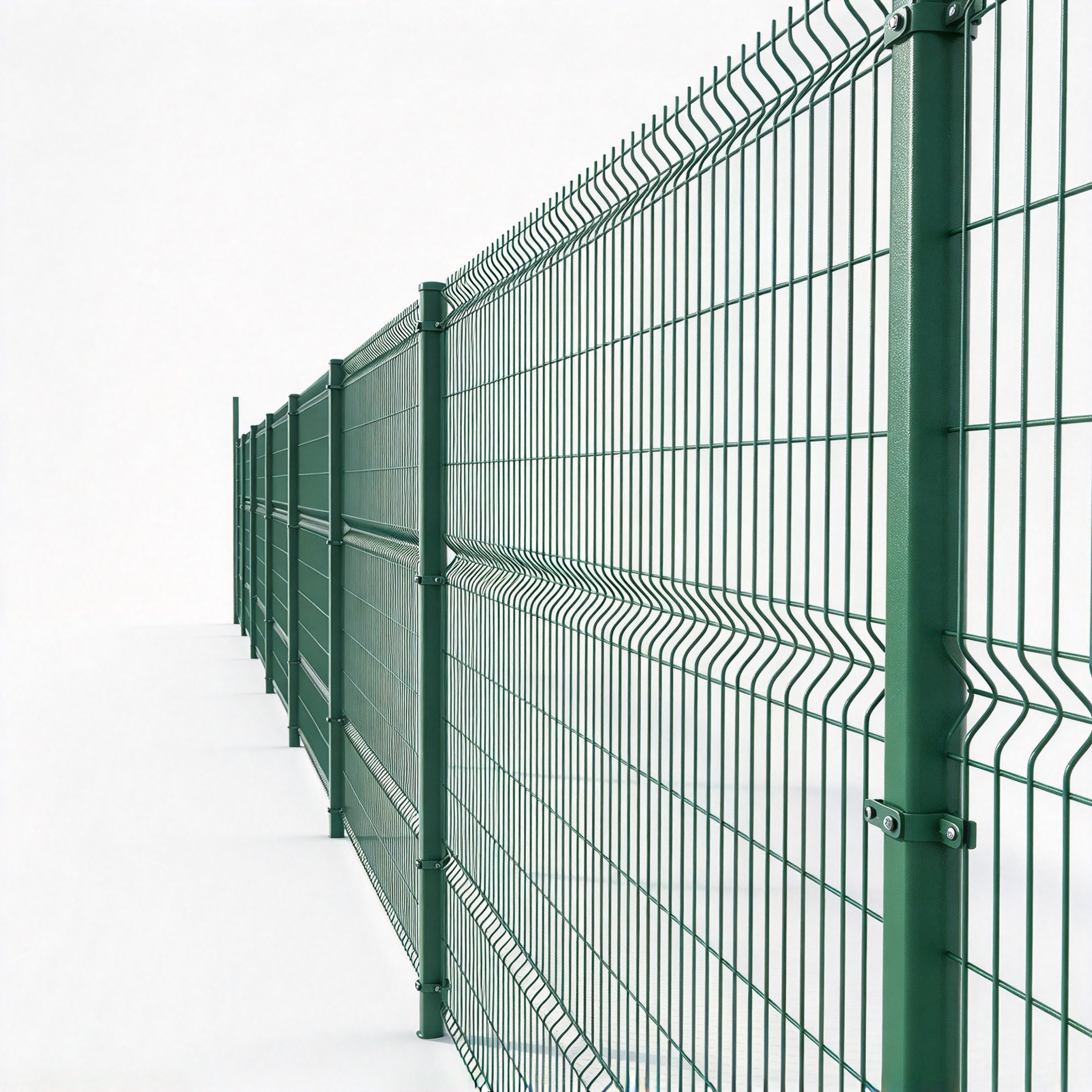
Dingjiang 3D panel fence uses V-shaped bends in welded mesh panels. Double wire fence uses paired horizontal wires with vertical wires. These are different ways of forming a fence panel. Neither product name alone specifies the strength of an installed system.
3D panel options
The published 3D range includes 50 × 100, 50 × 150, 50 × 200 and 75 × 100 mm mesh openings, with panel heights of 630–2,430 mm. Specify the wire diameter, panel width, number and position of bends, and the selected finish. Confirm the availability of the exact combination with Dingjiang.
Double wire options
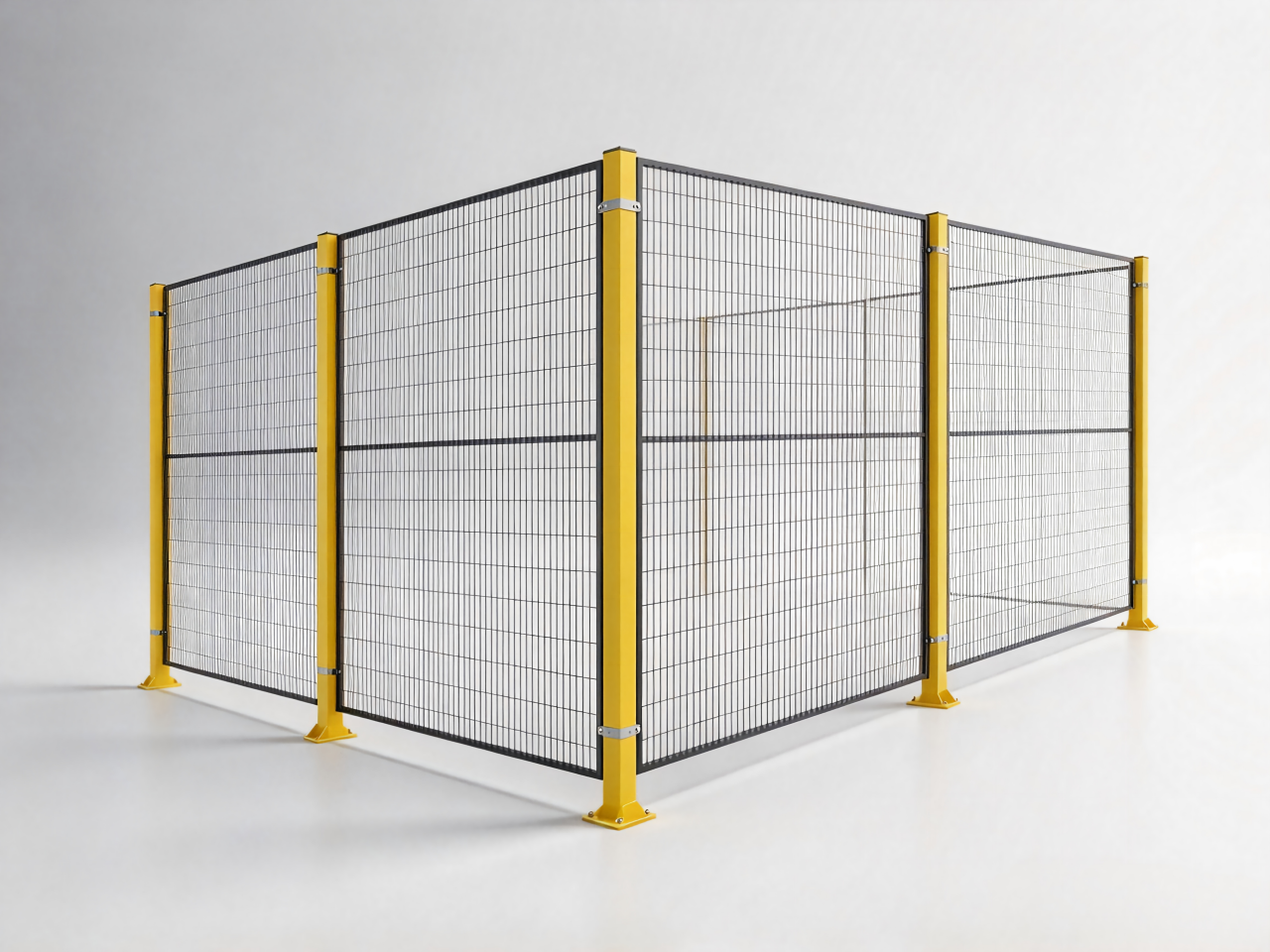
The published double wire range includes heights of 1.0–2.0 m and wire options within 3.5–6.0 mm. Identify the vertical and each horizontal wire diameter separately. A single nominal diameter is not enough to describe a paired-wire panel. Confirm aperture and panel width on the drawing.
Compare the full system
| Comparison point | What to confirm |
|---|---|
| Panel | Opening, wire sizes, height, width and tolerances |
| Support | Post sections, centres and attachment details |
| Finish | Substrate protection, coating and colour |
| Site layout | Corners, slopes, gate openings and end conditions |
| Packing | Panel separation, bundle labels and accessories |
Check installation assumptions
Ask the project designer to confirm loads, post sizes and foundations. Privacy screens or solid attachments can change wind loading. Compare quotations using the same installation assumptions and quantities rather than price per panel alone.
Choose a starting point
See 3D Panel Fence and Double Wire Fence. Send the planned fence height, perimeter length, finish and site layout for a project-specific proposal.
Specification guidance from Dingjiang. Final dimensions, materials, finish and supply scope are subject to the agreed quotation and drawing.